Mongolian Taiga in Winter: Complete Guide to Snow Treks and Teepee Stays
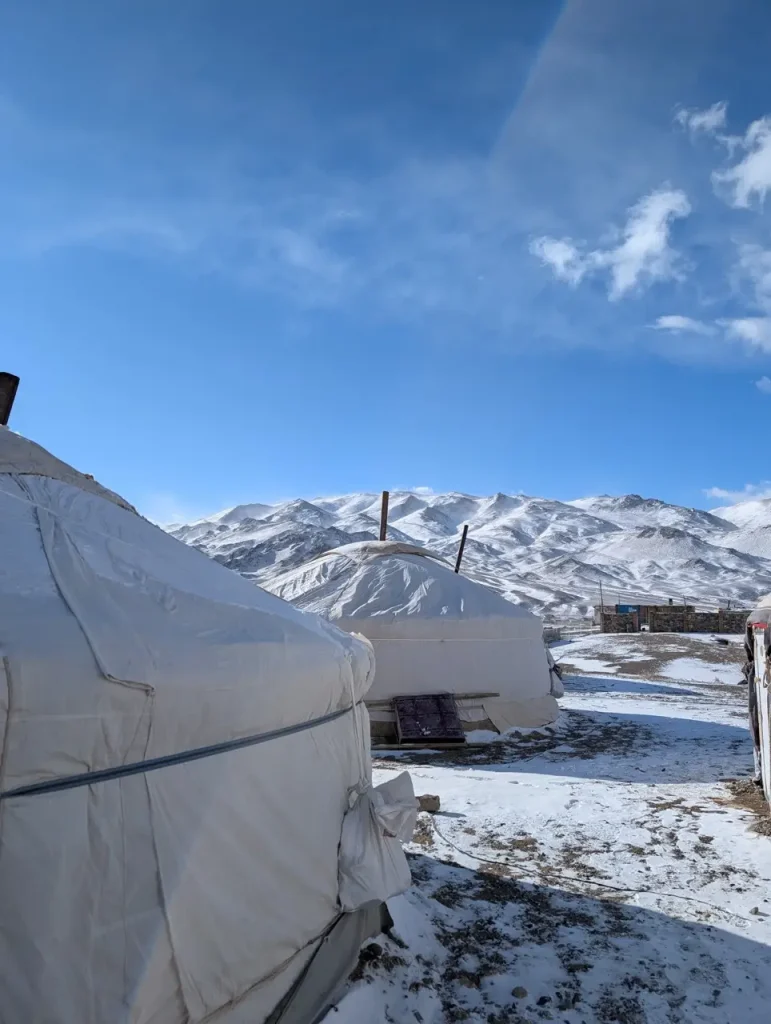
Far beyond the northern shores of Lake Khövsgöl, past the last dirt tracks and telephone poles, lies one of the wildest frontiers on the Asian continent: the Mongolian Taiga.
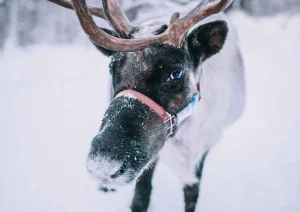
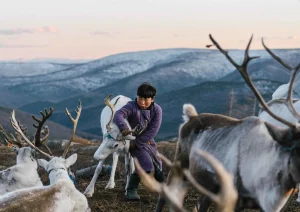
Forming the southern rim of the great Siberian sub-arctic forest, this vast wilderness is a realm of towering larch forests, jagged granite peaks, and snowbound river valleys. It is also the ancestral homeland of the Dukha (Tsaatan), one of the world’s last remaining nomadic reindeer-herding cultures.
While summer trekkers must battle notorious knee-deep peat bogs, black mud, and clouds of mosquitoes, winter transforms the taiga into an enchanted, frozen wonderland. The mud freezes rock solid, rivers turn into sparkling highways of turquoise ice, and the silent forests are blanketed in deep snow.
If you are craving an expedition that tests your limits and rewards you with otherworldly beauty and deep cultural immersion, here is everything you need to know about trekking the Mongolian Taiga in winter.
East Taiga vs. West Taiga in Winter
The Taiga is geographically divided into two main regions, separated by the vast Tsagaan Nuur valley:
The East Taiga
- Terrain: Broad river valleys, open alpine plateaus, and gentle mountain passes.
- Winter Characteristics: Generally easier to navigate on horseback and snowmobile. The trails follow frozen riverbeds, and the winter camps are somewhat more sheltered from northern gales.
- Best For: First-time arctic adventurers, photographers seeking expansive mountain vistas, and travelers wanting a balanced balance of riding and comfort.
The West Taiga
- Terrain: Steeper, denser larch forests, dramatic canyons, and high, jagged mountain passes.
- Winter Characteristics: Extremely remote and demanding. Snow accumulation is often deeper, and mountain passes require expert horse navigation.
- Best For: Seasoned trek enthusiasts, hardy mountaineers, and travelers seeking complete isolation in deep wilderness.
The Winter Trek: Horses, Snowmobiles, and Frozen Trails
Riding Mongol Horses Across Snow
Mongol horses are legendary for their endurance. Stocky, shaggy, and sure-footed, they possess an instinctual ability to read winter terrain. In deep snow drifts, they power through with astonishing resilience. During a winter trek, you will ride between 4 and 6 hours per day through snowbound forests, crossing frozen streams where ice can be over a meter thick.
Sledges and Snowmobiles
Depending on the snow depth and your personal comfort preferences, winter expeditions often employ Russian snowmobiles and wooden sledges to carry heavy expedition gear, food supplies, and luggage, allowing travelers to ride unburdened.
Sleeping in an Ortz: The Winter Teepee Experience
Unlike the felt gers of the steppe, the Dukha live in conical canvas and skin teepees called ortz.
How the Ortz Stays Warm
At the center of each ortz sits a small iron wood-burning stove (zuukh). Dry Siberian larch burns intensely hot, quickly warming the interior of the ortz to a comfortable room temperature even when outside temperatures plummet past -30°C (-22°F).
Sleeping Arrangements
Guests sleep on raised wooden platforms or felt rugs layered with reindeer pelts and 4-season expedition sleeping bags. At night, as you fall asleep, you can hear the soft breathing of reindeer tethered just outside your canvas wall and the crisp cracking of freezing trees in the forest.
Physical Demands and Who This Trek Is For
Trekking the winter taiga is not a luxury resort vacation; it is a true backcountry expedition. To enjoy this journey, you should:
- Have a moderate baseline of physical fitness and comfort spending several hours daily outdoors in winter.
- Have basic or intermediate horseback riding comfort (though Mongol horses are calm and steady, long hours in the saddle require stamina).
- Possess a flexible, adventure-oriented mindset ready for rural conditions, outdoor outhouses, and changing mountain weather.
Safety, Logistics, and Expedition Support
Venturing into the Siberian borderlands in winter without experienced local logistics is dangerous. A successful winter taiga trek requires:
- Expert Bilingual Expedition Guides: Bridging the linguistic and cultural gap between travelers, local Mongol drivers, and Dukha families.
- Vetted Horse Wranglers: Local Dukha handlers who know every frozen creek, hidden boulder, and safe snow drift.
- Satellite Communication: Emergency Garmin inReach or satellite phones with 24/7 medical evacuation coordination.
- Thermal Gear Provision: Ensuring backup sub-zero deels, emergency heaters, and reliable 4×4 transport.
Embark on the Ultimate Winter Expedition
Trekking the Mongolian taiga in winter is a pilgrimage into stillness, resilience, and ancient human tradition. It is a rare chance to disconnect completely from the modern world and witness one of humanity’s most poetic nomadic cultures at its absolute peak.
Book Your Taiga Expedition
Join us on our dedicated 10-day private winter journey:
- Explore the complete Tsaatan Reindeer Herders Homestay itinerary.
- Combine the Taiga with the Lake Khövsgöl Ice Festival or custom Gobi routes.
- Contact our expedition team directly via our Website or WhatsApp (+1 604 800 5144) to secure your winter travel dates.