Vaccinations and Health Prep for Mongolia
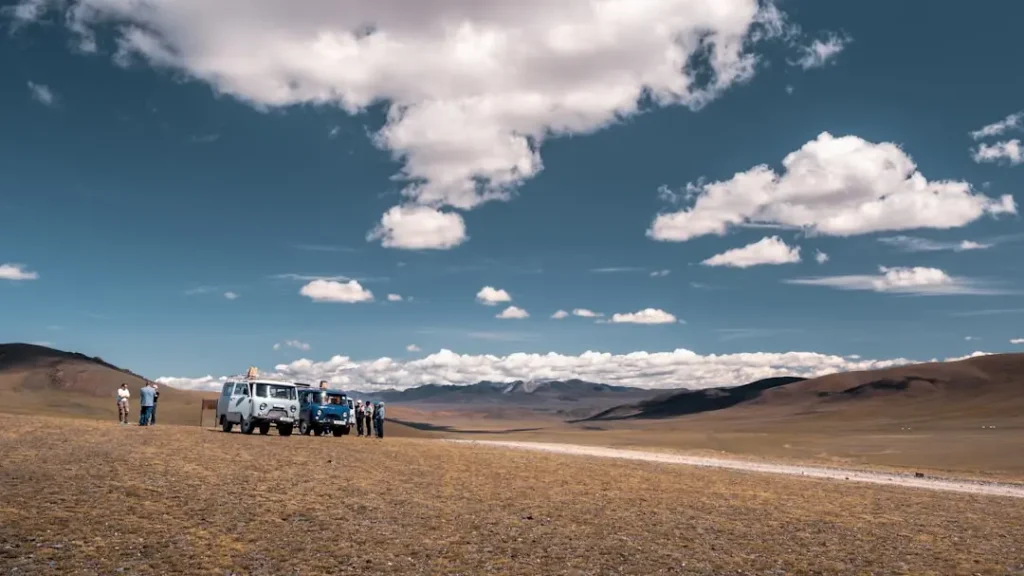
Mongolia is a destination that rewards good preparation, and health preparation is a significant part of that. The country’s nomadic lifestyle, livestock proximity, remote terrain, and limited rural medical infrastructure mean that travellers need to take their health prep seriously. Here is what you should know and do before you board that flight to Ulaanbaatar.
Consult a Travel Medicine Specialist
The single best piece of advice is to visit a travel medicine clinic or your GP at least six to eight weeks before departure. Some vaccines require a course of doses over several weeks, and a specialist can assess your personal risk profile, medical history, and itinerary to give tailored advice.
Recommended Vaccinations
The following vaccinations are generally recommended for Mongolia travel:
Hepatitis A — transmitted through contaminated food and water, and relevant for travellers eating at local restaurants or visiting nomadic families. This is a standard travel vaccine and is strongly recommended.
Hepatitis B — recommended if you may have medical treatment abroad, plan extended travel, or could be exposed through blood contact.
Typhoid — relevant if you’ll be eating outside tourist facilities, which you will be in Mongolia.
Tetanus/Diphtheria/Polio — check that your routine vaccinations are up to date, including a tetanus booster if you haven’t had one in the last ten years. Horse riding and outdoor activities increase the risk of minor wounds.
Rabies — Mongolia has a significant stray dog population, particularly around ger camps and rural settlements. If you are spending time in remote areas, a pre-exposure rabies vaccine course is worth seriously considering. Treatment after exposure in Mongolia is difficult to access quickly.
Japanese Encephalitis — relevant for travellers spending extended time in rural areas during summer. Discuss with your travel doctor.
Tick-Borne Encephalitis — ticks are present in forested and grassland areas of Mongolia, particularly in spring and summer. This is a potentially serious disease worth discussing with your travel clinic.
Malaria
Mongolia is generally considered low-risk for malaria, though there is some very limited risk in southern border areas. For most itineraries — particularly festival trips to the Altai and central steppe — malaria prophylaxis is not typically recommended. Confirm with your travel doctor based on your specific route.
Water and Food Safety
Tap water in Mongolia should not be drunk. Stick to bottled water, or use a reliable purification method (iodine tablets, SteriPen, or a quality filter). Most reputable tour operators provide safe drinking water throughout.
In the countryside, fermented mare’s milk (airag) and other dairy products are often offered as hospitality — these are generally fine for most people, though can cause digestive upset if your gut isn’t accustomed to them. Take it easy at first.
Carry oral rehydration salts and a basic anti-diarrhoeal medication as standard kit.
Altitude
The Altai Mountains in western Mongolia — home to the Golden Eagle Festival — include peaks above 4,000 metres. If your itinerary takes you to high-altitude areas, be aware of acute mountain sickness (AMS). Ascend gradually where possible, stay well-hydrated, avoid alcohol at altitude, and know the symptoms: headache, nausea, dizziness, and shortness of breath.
Discuss altitude medication (acetazolamide/Diamox) with your doctor if you have any concerns.
Medical Kit Essentials
Pack a small travel medical kit including: ibuprofen and paracetamol, plasters and wound closure strips, antiseptic cream, oral rehydration salts, anti-diarrhoeal medication, antihistamines, and any prescription medications with extra supply. A broad-spectrum antibiotic prescribed by your doctor for emergency use is also sensible for remote travel.
Mongolia trips often involve significant time away from pharmacies. Be self-sufficient.
Health Insurance and Evacuation Cover
Ensure your travel insurance includes emergency medical evacuation — this is critical for remote Mongolia travel. See our full guide to travel insurance for Mongolia for everything you need to know.
Being healthy, vaccinated, and well-prepared means you can focus entirely on the extraordinary experience that awaits. Mongolia rewards the prepared traveller.