Flying Around Mongolia: Aviation Transport in the Mongolian Interior
For the modern traveler, the Mongolia Golden Eagle Festival represents one of the most remote cultural intersections on the planet. While the festival itself is a display of ancient tradition, reaching it is a feat of modern logistical engineering. Travelers searching for “itineraries” must reconcile their plans with the realities of Mongolian domestic logistics, specifically the “gateway” to the eagle hunters: Ölgii (ULG).
This route is the most vital, yet most volatile, link in any Mongolia tours plan. Understanding the dynamics of the Mongolian sky is essential for a successful expedition into the heart of the Altai Mountains.
The Domestic Flight Landscape
Three main players dominate the Mongolian skies. Each offers a different fleet profile and operational style, which can significantly influence the “on-the-ground” experience of those booking eagle festival tours.
1. MIAT Mongolian Airlines
As the national flag carrier, MIAT typically offers the most robust and predictable service. While they are primarily known for their international long-haul routes connecting Ulaanbaatar to Europe and Asia, they operate key domestic trunk routes during peak seasons. Their domestic operations often utilize Boeing 737s or CRJ-family aircraft, providing a “big jet” feel even when flying into the remote west.
- Reliability: Highest among the three, as they have a larger support infrastructure and more backup airframes.
- Best for: Travelers who prioritize the standardized safety protocols and the logistical peace of mind that comes with a national carrier.
2. Hunnu Air
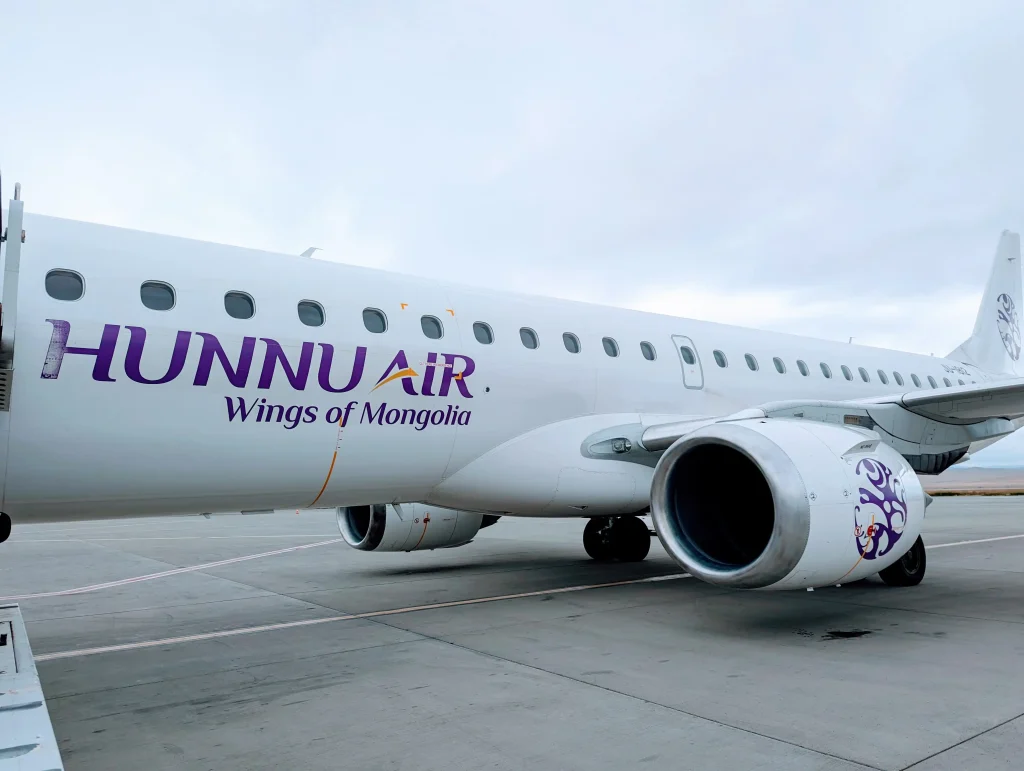
Hunnu Air is the preferred choice for those who enjoy the charm of regional aviation. They frequently utilize smaller, highly versatile turboprops like the ATR 72-500/600. These aircraft are specifically engineered for the unique challenges of the Mongolian interior, including shorter runways and the thin air of high-altitude provinces.
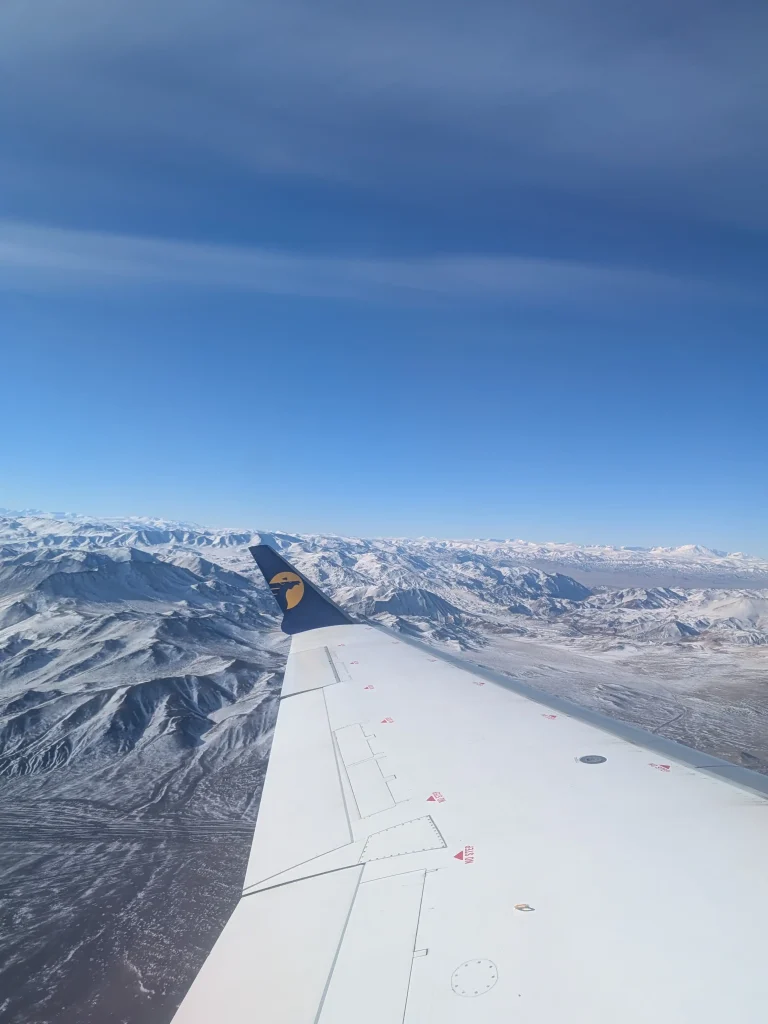
- Fleet: The ATRs are famous for their ruggedness. Watching the Altai peaks drift by from the window of a turboprop is a quintessential part of the nomadic travel experience.
- Vibe: Efficient and intimate. The cabin is narrower than a jet, and the lower flight altitude often provides superior views of the dramatic Mongolian landscape.
3. Aero Mongolia
A long-standing domestic specialist, Aero Mongolia operates Embraer jets (ERJ 145), which offer a significantly faster transit time to the Altai than their turboprop counterparts. For travelers on a tight schedule, these jets shave precious time off the journey across the steppe.
- Speed: Reaching Ölgii in approximately 1 hour 45 minutes, compared to the 2.5 hours required by turboprops.
- Availability: They significantly ramp up their schedules during the peak weeks of the Golden Eagle Festival to accommodate the influx of international visitors.
The Weight of the Journey: Baggage Constraints
In the interior of Mongolia, weight is a finite resource and a critical safety factor. Because regional aircraft are often weight-restricted due to fuel requirements for long distances and the decreased lift found in high-altitude takeoffs, baggage policies are strictly enforced at the check-in counter.
| Category | Standard Allowance | Notes |
| Checked Luggage | 15 kg (33 lbs) | Total weight allowed in the hold; strictly monitored. |
| Carry-On | 5 kg (11 lbs) | Must fit in tiny overhead bins or under the seat. |
| Excess Fee | $3 – $6 USD / kg | Paid at the check-in counter, usually in local MNT. |
Technical Note for Photographers
For those attending the Mongolia Golden Eagle Festival to capture “the shot,” heavy glass and tripods represent a significant logistical hurdle. Standard camera bags often exceed the 5kg limit before a single body is even packed.
- The Glass Problem: Large telephoto lenses, such as 500mm or 600mm primes essential for capturing eagles in flight, will easily consume your entire carry-on limit.
- The Solution: Many professionals use a “tactical” approach: wear a multi-pocket photography vest or a heavy coat to keep bodies, batteries, and smaller lenses on your person. Since “personal weight” is rarely measured compared to bag weight, this is a common way to stay within the lines while protecting your most expensive gear.
Operational Risk & “The Buffer Day”
Aviation in the Altai is subject to the whims of the “Eternal Blue Sky,” a poetic name that belies the region’s meteorological volatility. High winds, blinding dust storms, or sudden autumn fog can ground the entire domestic fleet without warning.
Frequent Disruptions
- Crosswinds: Provincial airports like Ölgii often have single-runway configurations. If the fierce Altai winds shift too far off-axis, the crosswind component exceeds safety limits, and flights are cancelled until the air settles.
- Dust Storms: Massive visibility drops are common during the transition seasons. A clear morning in Ulaanbaatar can quickly turn into a grounded afternoon if a Gobi dust wall moves toward the western runways.
The “Logistical Buffer” Strategy
Professional eagle festival tours never operate on a razor-thin margin. They always build a “Buffer Day” into the final leg of the itinerary to account for these inevitable delays.
- Rule of Thumb: Never book your international flight out of Ulaanbaatar for the same evening you are scheduled to return from the West.
- The 24-Hour Rule: Ensure there is at least one full calendar day in the capital between your domestic arrival and your homeward flight. If your flight from Ölgii is grounded due to fog, you have a 24-hour window for the airline to recover the schedule. Missing this window could mean missing a non-refundable $1,500 trans-Atlantic or trans-Pacific ticket—a costly mistake that a simple buffer day avoids.
Route Maps: Where the Birds Fly
While Ölgii is the primary target for Mongolia tours in October, the domestic network connects several other key nomadic hubs that can serve as vital alternatives:
- ULN –> ULG (Ölgii): The “Eagle Road” and the most sought-after ticket in October.
- ULN –> HVD (Khovd): The primary alternative gateway. Khovd is a larger hub with a more reliable runway. If Ölgii flights are sold out or cancelled, flying to Khovd and taking a 3-4 hour rugged drive to the festival is a common “Plan B.”
- ULN –> DLZ (Dalanzadgad): The gateway to the Gobi Desert. Many travelers choose to loop their festival visit with a trip to the Flaming Cliffs, requiring a complex multi-leg domestic booking.
Essential Aviation Checklist
- Book 6 Months Out: The demand for October flights to Ölgii is extreme; these are the most sought-after tickets in the country.
- Check the Ticket Class: Not all tickets are created equal. Double-check that your fare includes the full 15kg baggage allowance, as some “budget” or “light” fares may exclude checked bags entirely.
- Cash for Excess: Keep small denominations of Mongolian Tögrög (MNT) or USD ready. Regional counters often have limited card processing capabilities for overweight bag fees.
- Power Bank Placement: Always keep lithium-ion batteries and power banks in your carry-on luggage. Mongolian airport security is incredibly thorough and will remove these from checked bags without notice, often leaving you without power in the remote Altai.
Navigating Mongolian aviation requires a unique blend of meticulous technical planning and nomadic patience. By mastering the baggage rules and respecting the power of the weather, you ensure that your focus remains where it belongs: on the majestic, soaring flight of the Golden Eagle.