Nomadic Life in the Modern World
Mongolia remains one of the last places on Earth where a significant portion of the population continues to practice nomadic pastoralism. Roughly 30% of Mongolia’s population lives a nomadic or semi-nomadic lifestyle, moving with their herds across the vast steppe in search of fresh pasture.
A Life Defined by Movement
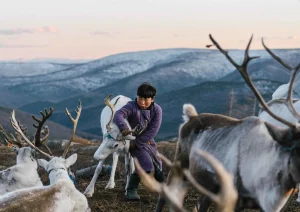
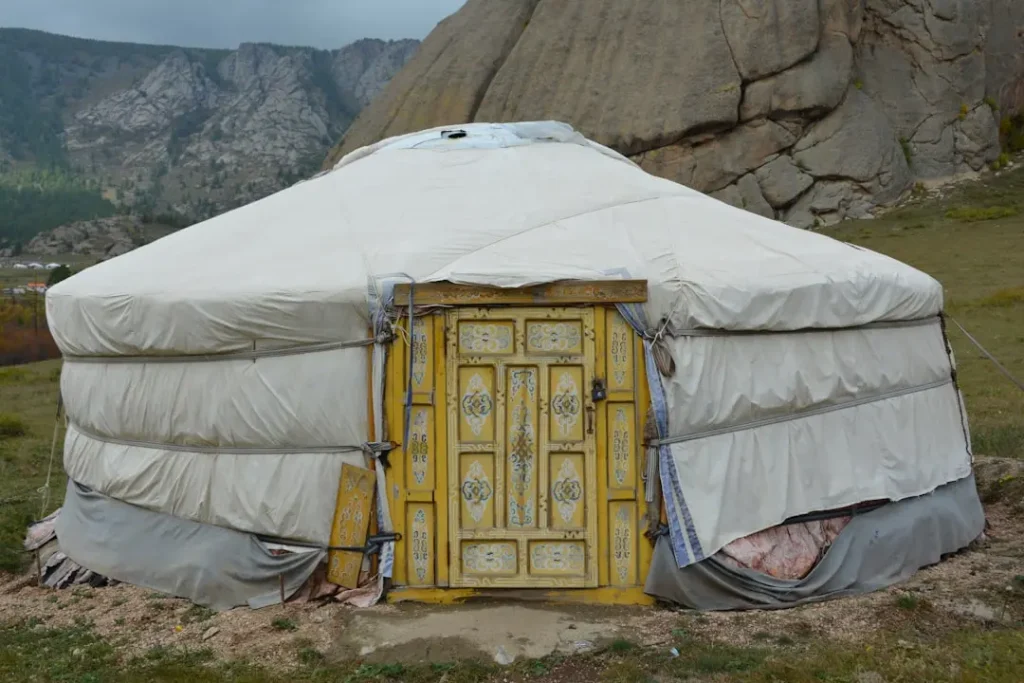
Mongolian nomads have lived this way for thousands of years. Families move their portable homes — gers (felt tents) — up to four times a year, following the seasons and the grazing patterns of their livestock. Horses, cattle, sheep, goats, and camels form the backbone of nomadic life, providing food, transport, and income.
The ger itself is an engineering marvel — designed to be assembled and disassembled in under two hours, it withstands the fierce Mongolian winds while keeping its inhabitants warm in temperatures that plummet to -40°C in winter.
Adapting to the Modern World
Despite the ancient rhythms of nomadic life, modern Mongolia has inevitably seeped into the steppe. Solar panels power LED lights and charge mobile phones. Motorcycles have joined horses as practical transport. Satellite dishes bring television to even the most remote ger.
Yet these adaptations haven’t eroded the essence of nomadic culture. Hospitality remains paramount — visitors to any ger are welcomed with airag (fermented mare’s milk) and fresh dairy products, regardless of whether the hosts were expecting guests.
Challenges Facing Nomadic Communities
Climate change poses one of the greatest threats to nomadic life. Dzud — a harsh winter following a dry summer — has wiped out millions of livestock in recent years, devastating families who depend entirely on their herds for survival.
Urbanization is another challenge. As more young Mongolians move to Ulaanbaatar for education and work opportunities, the knowledge and skills needed for nomadic life risk being lost. Organizations and initiatives are working to document and preserve this living cultural heritage.
What Travelers Experience
Visiting a nomadic family is one of the most authentic travel experiences available today. Sleeping in a ger, helping herd animals, learning to ride Mongolian horses, and sharing meals with your hosts creates connections that transcend language and cultural barriers.
At Mudita Adventures, we work directly with nomadic families who host our groups. Part of every tour fee goes back to these communities, supporting the continuation of the lifestyle that makes Mongolia so remarkable.